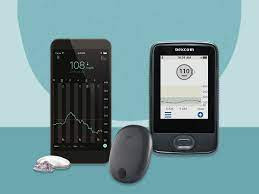
Checking your blood sugar level is one of the best ways to understand your diabetes and how different foods, medications, and activities affect your diabetes. Monitoring your blood sugar can help you and your doctor develops a plan for dealing with the condition.caryii.online People use a portable blood glucose meter called a glucometer to check their blood sugar levels. They usually work by analyzing a small amount of blood from the fingertips.A lancet gently pierces your skin to collect blood. Meters tell you your current blood sugar. But as blood sugar levels change, you need to check and record that level again and again. You can talk to your doctor or pharmacist about the price. The glucose meter comes with test strips, small needles or needles to bite your finger, and a device to hold the needle. The kit may include a logbook or you can download the reading to your computer.Meters vary in cost and size. Some have added features to suit different needs and preferences. These may include:
Voice skills for the visually impaired
Backlit display to help you see in low light
Excess memory or data storage
Pre-loaded test strips for people who have difficulty using their hands.
USB ports for uploading information directly to the computer
Health Line Newsletter
Receive our diabetes email twice a week.
We will send you smart nutrition tips, progress news and much more to help you stay at the forefront of diabetes.
more information caryii,online
Enter your email.Also sign up for our popular Heart Health newsletterYour privacy is important to us.
What are the benefits of monitoring blood sugar?
Regular glucose monitoring is one way for people with diabetes to learn more about their condition. Knowing your blood sugar levels will help you, your doctor and the rest of your healthcare team when it comes time to make important decisions about medication, exercise and diet.By checking your blood sugar levels regularly, you will also know when your blood sugar is too high or too low, which can lead to both symptoms and serious health problems.Your doctor will calculate your blood sugar target range based on your age, type of diabetes, general health and other factors. It is important to keep your glucose levels within your target range as much as possible.Complications of high and low blood sugar levelsIf left untreated, high blood sugar levels can lead to long-term complications, including:
Heart disease
Nerve damage
Vision problems
Poor blood flow
Kidney disease
Low blood sugar levels can also cause symptoms, including:
Confusion, confusion
weakness
Dizziness
Irritability
Get out
It can also lead to serious complications such as low blood sugar, seizures and coma.
What are the risks of monitoring blood sugar?
The risks of a blood sugar test are much lower than the risks of not monitoring your blood sugar levels.
If you share insulin needles and testing supplies with someone, you are at increased risk of contracting diseases such as:
HIV
Hepatitis C
Hepatitis C
You should never share needles or finger gestures for any reason.
Health Line Resources
Get free, 5 minute special breakfast recipes.
Let Healthline's team of nutritionists recommend snacks based on your dietary restrictions and food preferences.
How to prepare for blood sugar monitoring.
Before checking your blood sugar level, make sure you have:
A finger tool to pierce your finger like a scalpel
Alcohol sweep to disinfect puncture site
Blood sugar monitor
A bandage if more than a few drops continue to bleed.
In addition, depending on the type of test you have, you may need to adjust your meal schedule or meal times as directed by your doctor.
Before starting, wash your hands thoroughly to avoid infection at the site of the finger puncture. If you are using alcohol wipes instead of washing, let the site dry before testing.Next, apply the test strip to the meter. Pierce your finger with a scalpel to get a small drop of blood. Use the fingertips instead of the tips to reduce the discomfort of the fingers.The blood goes to the test strip that you insert into the meter. Your monitor will analyze the blood and give you a blood glucose reading on its digital display, usually within a minute.Finger punctures rarely require a bandage, but if more than a few drops of blood continue to flow, you can use a bandage. Follow all the instructions that come with your glucometer to get accurate results.If you have type 1 diabetes, you may need to have your blood sugar checked four or more times a day. This includes exercise before and after meals and when you are often sick.
If you have type 2 diabetes, your doctor will tell you when and how often you should check your blood sugar.
Understanding the results of blood glucose monitoring
The American Association of Clinical Endocrinologists and the American College of Endocrinology recommend that glucose values be between 80-130 and post-prandel <180 before fasting and eating. And keep the value below 140 mg / dL two hours after eating.However, these are general guidelines and not for everyone. Ask your doctor about your target level.Regular blood sugar monitoring is an important tool to help you control your diabetes. Identify and record changes in your blood sugar levels
for more caryii.online


0 Comments:
Post a Comment