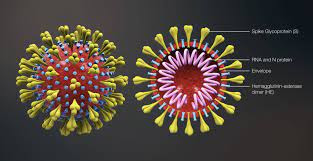
On November 26, 2021, the WHO, on the advice of the WHO Technical Advisory Group on Virus Evolution (TAG-VE), designated B.1.1.529 as a troublesome type called Omicron. This decision is based on the evidence presented to TAG-VE that omikron has a number of mutations that could affect how it behaves, for example, how easily it can spread or affect the severity of the disease. Here is a summary of what is currently known.caryii.online
Researchers in South Africa and around the world are working to better understand many aspects of Omicron, and will continue to share the results as they become available.Transmissibility: It is not yet clear whether omicron is more transmissible than other types, including delta (e.g., it spreads more easily from one person to another). There has been an increase in the number of people tested positive for this type in the affected South African region, but epidemiological studies are underway to determine if it is due to Omicron or other factors.Disease severity: It is not yet clear whether Omicron infection causes more serious disease than other types of infections, including delta. Preliminary data suggest that hospitalization is on the rise in South Africa, but this may be due to an increase in the total number of infected people, rather than as a result of a specific omikron infection. There is currently no information to indicate that the symptoms associated with Omicron are different from other types. Initially reported infections occur in college students, young people with mild illness, but it can take days to weeks to understand the severity of the omicron type. All types of COVID-19, including the worldwide dominant delta type, can cause serious illness or death, especially for susceptible people, and therefore prevention is always important.caryii.online
Efficacy of previous SARS-CoV-2 infection
Preliminary evidence suggests that Omicron (ie, people who have previously been infected with Covid-19 may have an increased risk of re-infection with Omicron) compared to other types of anxiety, but information is limited. More information will be available in the coming days and weeks.Vaccine Efficacy: The WHO is working with technical partners to understand the potential effects of this type of vaccine on our existing immune systems. Vaccines are important for reducing serious illness and death, even against the dominant type of delta. Current vaccines are effective against serious illness and death.Effectiveness of current tests: Widely used PCR tests continue to detect infections with omikron infection, as we have seen in other types as well. Studies are underway to determine if it affects other types of tests, including rapid antigen detection tests.Effectiveness of current treatment: Corticosteroids and IL6 receptor blockers will still be effective for the management of patients with severe COVID-19. Other treatments will be evaluated to see if changes in some parts of the omicron type virus are still as effectivecaryii.online.
The study is ongoing
Currently, WHO is coordinating with a large number of researchers around the world to better understand Omicron. Ongoing or ongoing studies include severity of infection, severity of infection (with symptoms), vaccine and diagnostic tests, and effectiveness of treatment.The WHO encourages countries to contribute to the collection and sharing of hospitalized patient data through the WHO COVID-19 Clinical Data Platform to quickly describe clinical features and patient outcomes.More information will come in the coming days and weeks. WHO will continue to monitor and evaluate TAG-VE data as soon as it becomes available and evaluate how mutations in Omicron change the behavior of the virus.caryii.online
Recommended actions for countries
Since omikron has been designated as a form of concern, the WHO has recommended a number of actions, including surveillance of countries and improvement of the case order; Sharing of genomic sequences on publicly available databases such as GISAID; Reporting initial cases or groups to the WHO; Omicron conducts field checks and laboratory evaluations to better understand whether different infections or disease characteristics exist or whether they affect the effectiveness of vaccines, treatments, diagnoses or public health and social measures. M.caryii.online
Details were added in the November 26 announcement.
Countries should continue to implement effective public health measures to reduce the global circulation of COVID-19, using a risk analysis and science-based approach. Some public health and medical capacity must be enhanced to handle the increase in casescaryii.online
S. WHO is providing support and guidance to countries in both readiness and response.
In addition, inequalities in access to COVID-19 vaccines are urgently addressed to ensure that vulnerable groups, including healthcare professionals and the elderly, receive first and second doses with equal access to treatment and diagnosis.caryii.online
for more caryii.online